


| SNo. | Scientific Name | Locality | Habitat | Basis of Record | Description | Recorded By | Record Number | Island | Source | Date |
|---|---|---|---|---|---|---|---|---|---|---|
| 1 | Cyanea maritae | Locality redacted. Contact Bishop Museum Botany Department for details | Preserved_Specimen | Rock, J.F.C. | 8797 | Maui | BISH | 1911-05-01 | ||
| 2 | Cyanea maritae | Locality redacted. Contact Bishop Museum Botany Department for details | Preserved_Specimen | Rock, J.F.C. | 8798 | Maui | BISH | 1911-05-01 | ||
| 3 | Cyanea maritae | Locality redacted. Contact Bishop Museum Botany Department for details | Preserved_Specimen | Rock, J.F.C. | 8798 | Maui | BISH | 1911-05-01 | ||
| 4 | Cyanea maritae | Locality redacted. Contact Bishop Museum Botany Department for details | Preserved_Specimen | Rock, J.F.C. | 8798 | Maui | BISH | 1911-05-01 | ||
| 5 | Cyanea maritae | Locality redacted. Contact Bishop Museum Botany Department for details | Preserved_Specimen | Rock, J.F.C. | 8798 | Maui | BISH | 1911-05-01 | ||
| 6 | Cyanea maritae | Locality redacted. Contact Bishop Museum Botany Department for details | Preserved_Specimen | Rock, J.F.C. | 8798 | Maui | BISH | 1911-05-01 | ||
| 7 | Cyanea maritae | Locality redacted. Contact Bishop Museum Botany Department for details | Preserved_Specimen | Forbes, C.N. | 1680 | Maui | BISH | 1919-11-18 | ||
| 8 | Cyanea maritae | Locality redacted. Contact Bishop Museum Botany Department for details | Preserved_Specimen | Forbes, C.N. | 1636 | Maui | BISH | 1919-11-15 | ||
| 9 | Cyanea maritae | Locality redacted. Contact Bishop Museum Botany Department for details | Rare on ledges and slopes along perennial stream. Vegetation: Acacia, Metrosideros, Cheirodendron, Perrottetia, Broussaisia, Melicope, Clermontia, Pipturus, Myrsine, Coprosma, Kadua, Scaevola, Sadleria, Psychotria, Cibotium, Stenogyne, Athyrium, Diplazium, Dryopteris, Deschampsia, Carex, Selaginella, Rubus, Amauropelta, Nothoperanema, Mecodium, Phyllostegia, Lobelia, Dubautia, Peperomia, Vandenboschia, Christella, Machaerina, Adiantum, Clidemia, Hedychium. | Preserved_Specimen | Mostly unbranched shrubs to 1.75 tall, or branched from base, usually with some basal shoots, latex white, fruit bright orange, flowers not seen. | Oppenheimer, H.L. | 50913 | Maui | BISH | 2009-05-11 |
| 10 | Cyanea maritae | Locality redacted. Contact Bishop Museum Botany Department for details | on lower slope of small gulch, NW aspect, in degraded Acacia/Metrosideros mesic forest. Vegetation: Acacia, Metrosideros. Cheirodendron, Cibotium, Ilex, Melicope, Vaccinium, Kadua, Coprosma, Hedychium, Diplazium, Rubus, Athyrium, Perrottetia, Peperomia | Preserved_Specimen | 3 many branched from base adults to 2m tall plus two saplings~1m tall | Oppenheimer, H.L. | 20914 | Maui | BISH | 2009-02-09 |
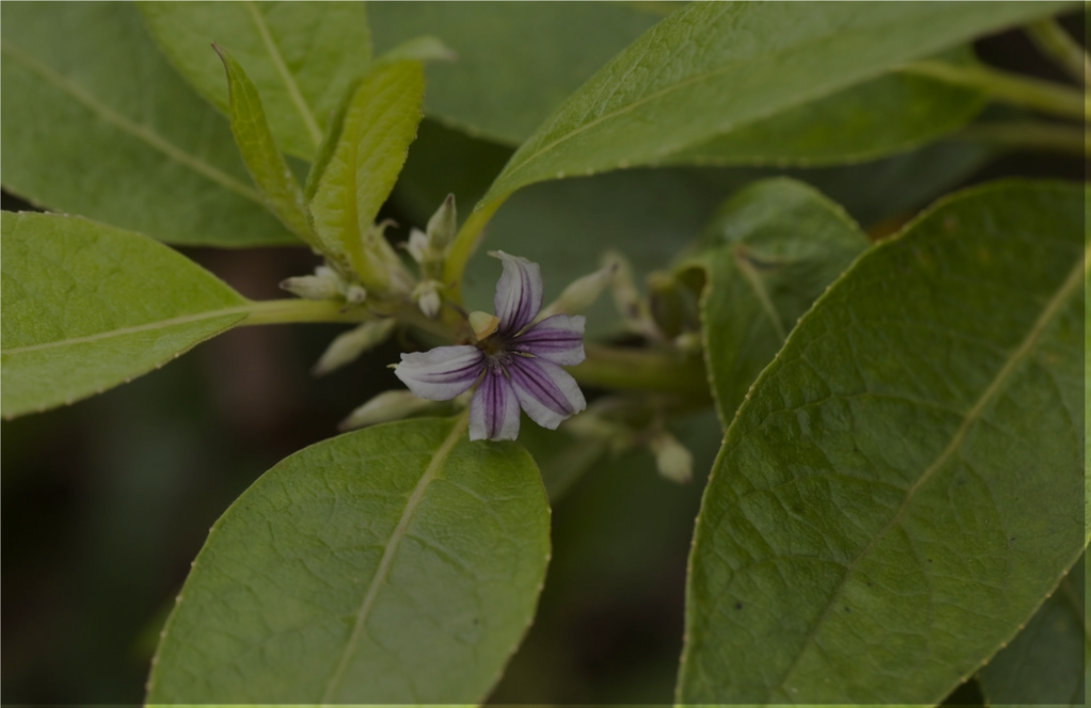
| 11 | Cyanea maritae | Locality redacted. Contact Bishop Museum Botany Department for details | Growing on steep slopes in semi-open shade. Area is surrounded by historic forestry plantings, mostly of Eucalyptus. Remnant Acacia koa/Metrosideros polymorpha mesic forest w. Cheirodendron trigynum subsp. trigynum, Psychotria mariniana, Broussaisia arguta, Cyrtandra grayi, Freycinetia arborea, Perrottetia sandwicensis, Touchardia latifolia, Urera glabra, Clermontia kakeana, Hedyotis terminalis, Antidesma platyphyllum var. platyphyllum, Melicope molokaiensis, Diplazium sandwichianum, Microlepia strigosa, Alyxia oliviformis, Dryopteris glabra, Sadleria sp., Cibotium menziesii, Diplopterygium pinnatum, Lepisorus thunbergianus, Asplenium contiguum, A. macraei. Threats: feral pigs, cattle, rats, Setaria palmifolia, Rubus argutus, Hedychium gardnerianum, Cinchona pubescens. | Preserved_Specimen | 15 plants observed, including juveniles. In two colonies 100m apart. Branched or unbranched shrubs to 8ft w. armed trunks and white latex. Little dimorphism of juvenile to adult leaves. Peduncles spreading at right angles to stem and clustered amongst the leaves. Mature fruits not seen, most young fruit falling early and or eaten by rats. | Oppenheimer, H.L. | 10005 | Maui | BISH | 2000-09-26 |
| 12 | Cyanea maritae | Locality redacted. Contact Bishop Museum Botany Department for details | Vegetation: Acacia, Metrosideros, Cheirodendron, Coprosma, Iles, Myrsine, Melicope, Rubus, Hydrangea, Cibotium, Diplazium, Fraxinus, Hedychium, Clermontia, Athyrium, Asplenium, Dryopteris, Alyxia, Peperomia. | Preserved_Specimen | Specimen retreived from storm broken stem, in outplanted site. Flowers white with purplish/magenta longitudinal stripes. Latex white. | Oppenheimer, H.L. | 121912 | Maui | BISH | 2019-12-27 |
| 13 | Cyanea maritae | Locality redacted. Contact Bishop Museum Botany Department for details | E side of steam, 2 m above stream bed, steep slope; Metrosideros, Perrottetia, Cheirodendron, Dicranopteris, Kadua, Clermontia, Labordia, Broussaisia, Cyrtandra, Diplopterygium, Diplazium, Selaginella, Cibotium, Hedychium, Setaria, Clidemia, Deparia, Tibouchina, Rubus | Preserved_Specimen | 2 m tall shrub; 3 ramettes plus basal sprout; stems armed; latex white; fruit bright orange; leaves bright green, fleshy | Oppenheimer, H.L. | 40804 | Maui | BISH | 2008-04-10 |
| 14 | Cyanea maritae | Locality redacted. Contact Bishop Museum Botany Department for details | On stream bank. Vegetation: Metrosideros, Cheirodendron, Myrsine, Fraxinus, Hedychium, Cyrtandra, Diplazium, Setaria, Coprosma, Sadleria, Cibotium, Ilex, Dryopteris, Phytolacca, Marattia, Rubus. Threats: Pigs, tropical ash, kahili ginger, blackberry, flooding, landslides, treefall, slugs. | Preserved_Specimen | 6 adults and 7 seedlings. | Oppenheimer, H.L. | 120403 | Maui | BISH | 2004-12-13 |
| 15 | Cyanea maritae | Locality redacted. Contact Bishop Museum Botany Department for details | Degraded Mesic Forest amidst forestry plantings of Eucalyptus robusta & E. globulus, w. Acacia koa, Metrosideros polymorpha var. glaberrima, Cheirodendron trigynum ssp. trigynum, Perrottetia sandwicensis, Diplazium sandwichianum, Setaria palmifolia, Hedychium gardnerianum, Rubus argutus, Cinchona pubescens, Broussaisia arguta, Cyrtandra grayi. | Preserved_Specimen | Sparingly branched (from the base) armed shrubs w. white latex to 2m tall. Flowers white tinged pink. | Oppenheimer, H.L. | 110029 | Maui | BISH | 2000-11-26 |
| 16 | Cyanea maritae | Locality redacted. Contact Bishop Museum Botany Department for details | Growing on a steep slope in semi-open shade. Area is surrounded by historic forestry plantings, mostly of Eucalyptus. | Preserved_Specimen | Branched or unbranched shrubs to 8 ft w/ armed trunks and white latex. 15 plants observed, including juveniles, in two colonies 100 m apart, on both sides of Cyanea sp. A population (see Oppenheimer H10003). Little dimoprhism of juvenile to adult leaves. Mature fruits not seen; most young fruit falling early and/or eaten by rats. Peduncles spreading at right angles to stem and clustered amongst leaves. | Oppenheimer, H.L. | 10005 | Maui | BISH | 2000-01-07 |
Lorem ipsum dolor sit amet, consectetur adipiscing elit, sed do eiusmod tempor incididunt ut labore et dolore magna aliqua. Ut enim ad minim veniam, quis nostrud exercitation ullamco laboris nisi ut aliquip ex ea commodo consequat. Duis aute irure dolor in reprehenderit in voluptate velit esse cillum dolore eu fugiat nulla pariatur. Excepteur sint occaecat cupidatat non proident, sunt in culpa qui officia deserunt mollit anim id est laborum.
Lorem ipsum dolor sit amet, consectetur adipiscing elit, sed do eiusmod tempor incididunt ut labore et dolore magna aliqua. Ut enim ad minim veniam, quis nostrud exercitation ullamco laboris nisi ut aliquip ex ea commodo consequat. Duis aute irure dolor in reprehenderit in voluptate velit esse cillum dolore eu fugiat nulla pariatur. Excepteur sint occaecat cupidatat non proident, sunt in culpa qui officia deserunt mollit anim id est laborum.
Lorem ipsum dolor sit amet, consectetur adipiscing elit, sed do eiusmod tempor incididunt ut labore et dolore magna aliqua. Ut enim ad minim veniam, quis nostrud exercitation ullamco laboris nisi ut aliquip ex ea commodo consequat. Duis aute irure dolor in reprehenderit in voluptate velit esse cillum dolore eu fugiat nulla pariatur. Excepteur sint occaecat cupidatat non proident, sunt in culpa qui officia deserunt mollit anim id est laborum.
Lorem ipsum dolor sit amet, consectetur adipiscing elit, sed do eiusmod tempor incididunt ut labore et dolore magna aliqua. Ut enim ad minim veniam, quis nostrud exercitation ullamco laboris nisi ut aliquip ex ea commodo consequat. Duis aute irure dolor in reprehenderit in voluptate velit esse cillum dolore eu fugiat nulla pariatur. Excepteur sint occaecat cupidatat non proident, sunt in culpa qui officia deserunt mollit anim id est laborum.
Lorem ipsum dolor sit amet, consectetur adipiscing elit, sed do eiusmod tempor incididunt ut labore et dolore magna aliqua. Ut enim ad minim veniam, quis nostrud exercitation ullamco laboris nisi ut aliquip ex ea commodo consequat. Duis aute irure dolor in reprehenderit in voluptate velit esse cillum dolore eu fugiat nulla pariatur. Excepteur sint occaecat cupidatat non proident, sunt in culpa qui officia deserunt mollit anim id est laborum.
Lorem ipsum dolor sit amet, consectetur adipiscing elit, sed do eiusmod tempor incididunt ut labore et dolore magna aliqua. Ut enim ad minim veniam, quis nostrud exercitation ullamco laboris nisi ut aliquip ex ea commodo consequat. Duis aute irure dolor in reprehenderit in voluptate velit esse cillum dolore eu fugiat nulla pariatur. Excepteur sint occaecat cupidatat non proident, sunt in culpa qui officia deserunt mollit anim id est laborum.
Thank you for your interest in submitting an image of
Select your image and leave a brief description of your photo below.